


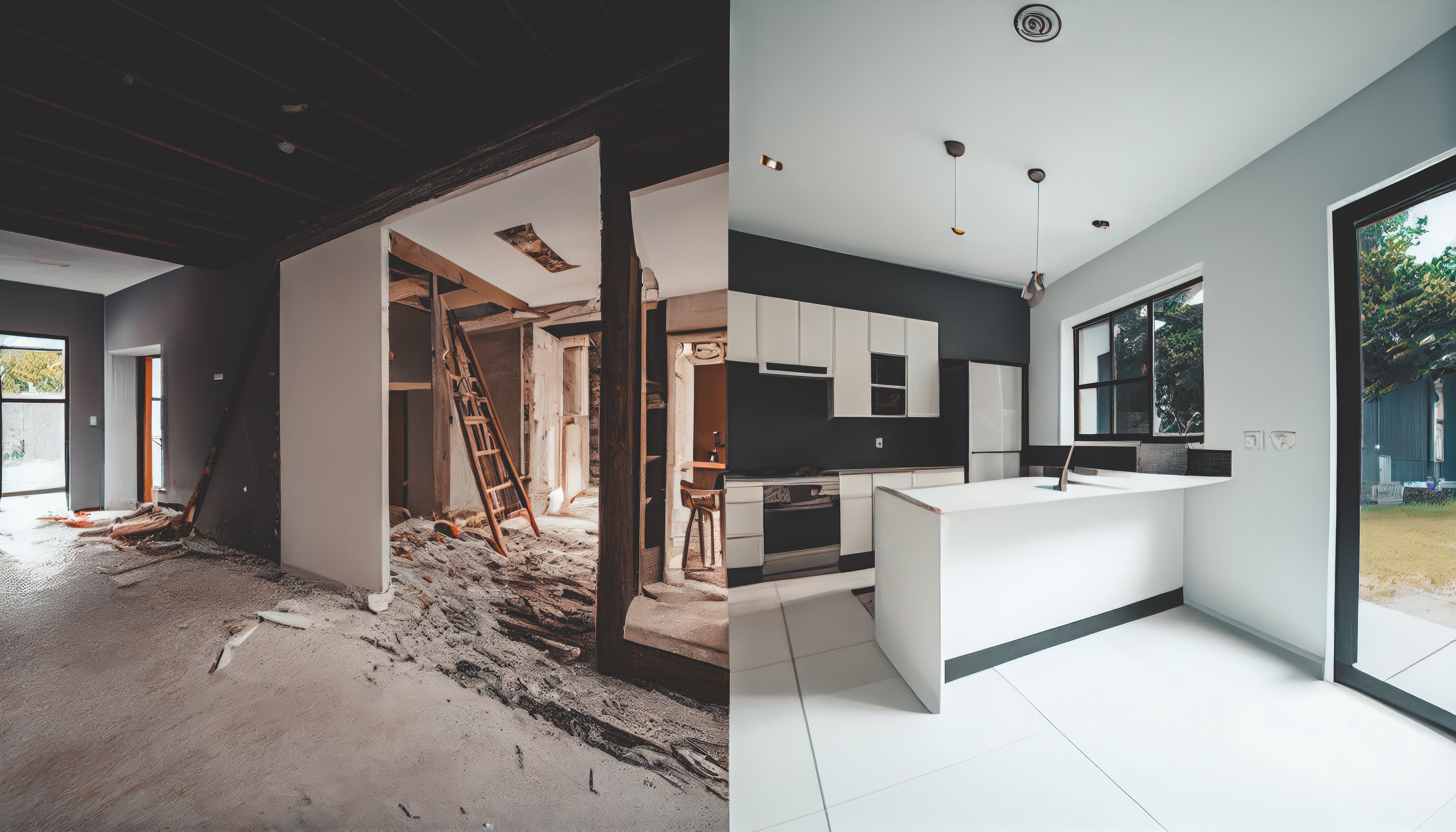
When the water receded after Hurricane Helene, a lot of Western North Carolina homeowners discovered a hard truth. The floor that looked fine from the top was often ruined from the bottom up, and the difference came down to what was hiding under the surface.
Water Finds The Weakest Point First
Floodwater and rising humidity do not damage flooring evenly. They travel along seams, gaps, and any place moisture can wick upward, which is exactly where underlayment either does its job or fails at it. Homes built with basic foam or paper underlayment saw faster warping, buckling, and mold growth than homes with vapor retardant layers rated for ground contact or high moisture zones.
This mattered even for homes that were never directly flooded. Rising groundwater and saturated crawlspaces pushed moisture up through subfloors for weeks after the storm passed, and thin or aging underlayment simply could not keep pace. Many homeowners took away a clear lesson, that underlayment is not a place to cut corners in a region where storms like Helene are no longer considered rare.
Why Underlayment Matters More Than The Surface Layer
It is easy to focus on the visible flooring, whether that is hardwood, luxury vinyl, or tile, and treat underlayment as an afterthought. In reality, underlayment controls moisture movement, sound transmission, and how well the finished floor performs over years of mountain weather swings. A premium hardwood floor installed over the wrong underlayment can still cup, gap, or delaminate within a single humid season.
This is especially true at elevation, where temperature and humidity change faster than in the lowlands. The right underlayment acts as a buffer, slowing moisture transfer enough that the flooring above has time to adjust rather than react. Homeowners rebuilding after Helene who upgraded their underlayment reported far fewer callbacks and repairs than those who simply replaced the surface layer and left the base as it was.
Signs Your Subfloor Survived When Your Floor Did Not
A floor that looks damaged does not always mean the subfloor underneath is compromised, and the reverse is also true. Musty odors, soft spots, or a slight give underfoot are signs the subfloor absorbed moisture even if the surface flooring still appears intact. Reinstalling new flooring directly over a wet subfloor is one of the most common and costly mistakes homeowners make after a flood event.
A proper inspection checks moisture content in the subfloor itself, not just the visible condition of the old flooring. This is where an experienced local team makes a real difference, since Ultimate Kitchen and Design has seen firsthand how mountain subfloors behave differently than flooring in flatter, drier regions. Catching a wet subfloor early saves homeowners from tearing out brand new flooring a second time.
Choosing Underlayment For Flood Prone Mountain Properties
Not every underlayment is built for the conditions found across Banner Elk, Franklin, and Lenoir, NC and Roanoke, and Bristol, VA and Johnson City, TN. Homes near creeks, low lying lots, or older crawlspaces benefit from moisture barrier underlayment rated specifically for high humidity and occasional water exposure, rather than standard builder grade options. For engineered wood and luxury vinyl, a vapor retardant underlayment paired with proper subfloor prep can mean the difference between a floor that lasts fifteen years and one that fails in three.
Homeowners rebuilding after storm damage also have an opportunity to upgrade beyond what was originally installed. Since the subfloor is already exposed during replacement, it costs relatively little to add better moisture protection compared to redoing the work later. This is one of the few silver linings of a difficult rebuild, and it is worth discussing before any new flooring goes down.
Rebuilding after a storm is stressful enough without discovering the same damage a second time. Getting the underlayment right the first time protects the investment homeowners make in their new floors, whether that is hardwood, vinyl, or tile.
Ultimate Kitchen and Design has helped homeowners across Banner Elk, Franklin, and Lenoir, NC and Roanoke, and Bristol, VA and Johnson City, TN rebuild with flooring systems built for real mountain conditions, not just the showroom floor. Visit any of Banner Elk, NC to talk through subfloor moisture, underlayment options, and which flooring holds up best where you live. If your home was affected by flooding or you simply want to rebuild smarter, contact us to schedule a consultation.

