
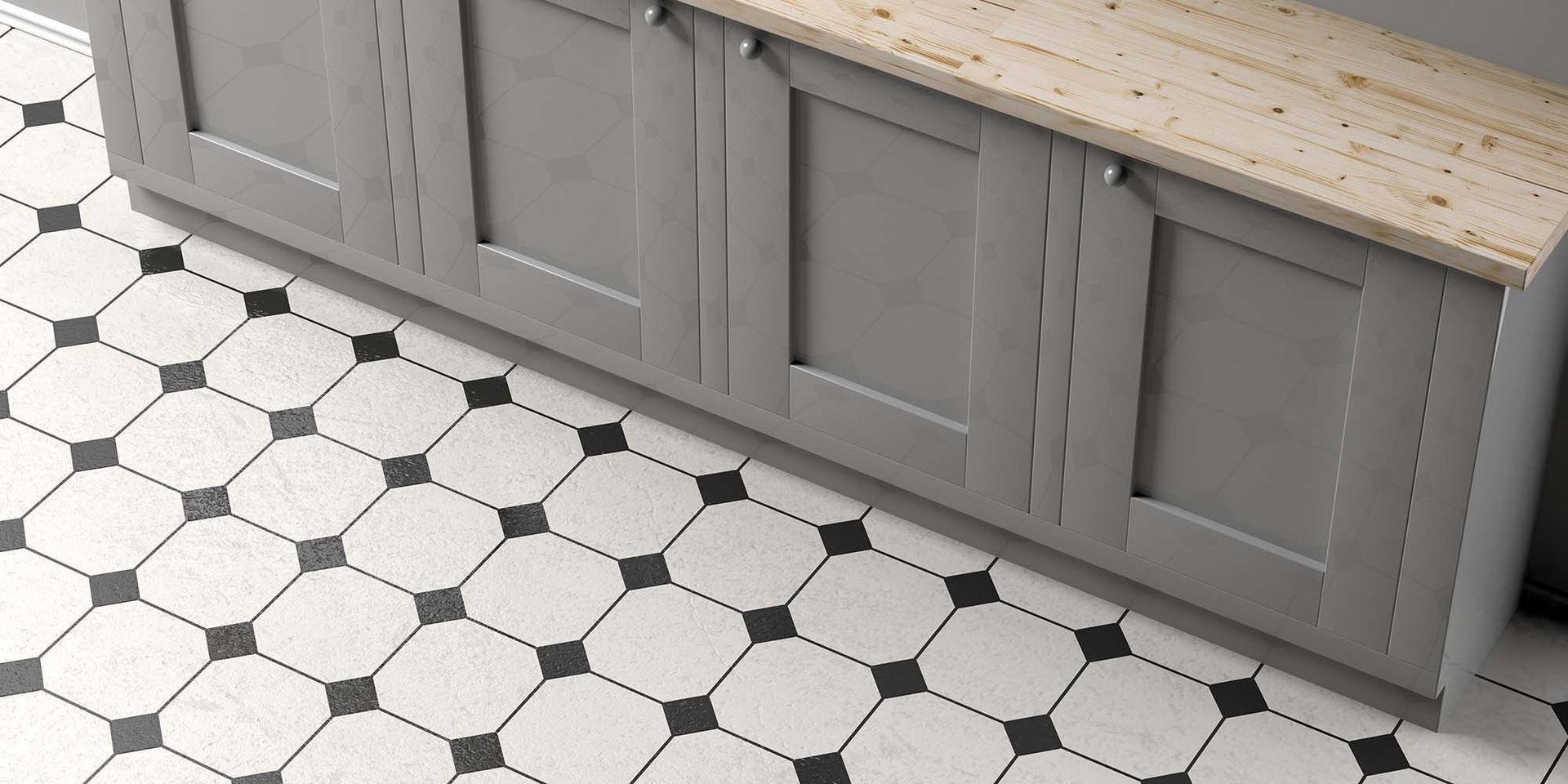
Short-term rental cabins need kitchens that photograph well, clean quickly, and survive people who do not live there. Guests open doors with wet hands, overload drawers, slam trash pull-outs, spill coffee, drag stools, misplace cookware, and use every cabinet in ways the owner never planned for. Pretty cabinets matter, but durability and organization matter more. When Ultimate Kitchen and Design helps plan cabinet storage for rental cabins, the goal is not just a beautiful kitchen. The goal is a kitchen that reduces owner headaches, helps cleaners reset the space faster, and gives guests an easy experience without requiring a printed instruction manual for every drawer. Guests Notice Clarity Before Custom Details Guests may not know whether cabinets are semi-custom or custom, but they notice when the kitchen is confusing. If plates are far from the dishwasher, trash is hard to find, pans are jammed into a blind corner, or the coffee supplies are scattered across three cabinets, the kitchen feels less premium. Clear storage zones help. Dishes should live near the dishwasher. Cooking tools should be close to the range. Coffee and mugs should sit together. Trash and recycling should be obvious. In a rental cabin, intuitive storage is not just convenient; it protects the cabinets because guests are less likely to yank open every door hunting for basic items. The Most Abused Areas Need Better Hardware Cabinet doors and drawers in rental kitchens take a lot of repetitive use. Trash pull-outs, sink base doors, silverware drawers, and cookware drawers usually work the hardest. These areas need strong slides, durable hinges, proper alignment, and handles that are easy to grip without catching clothing or bags. Soft-close hardware can help reduce slamming, but it should be paired with good cabinet construction and correct installation. Wide drawers need appropriate slide ratings. Heavy cookware storage should not be treated like a light utensil drawer. The more frequently a cabinet is used, the less room there is for flimsy hardware. Finishes Should Hide Wear Without Looking Cheap High-gloss finishes can show fingerprints and scratches. Very dark finishes can show dust and chips. Very light painted finishes can reveal scuffs near handles and trash areas. For rental cabins, mid-tone wood looks, textured finishes, and satin painted finishes can be more forgiving while still feeling elevated. This is also where cabinet hardware becomes a protective layer. A well-sized pull gives guests a clear place to grab, reducing hand wear around door edges. Knobs and pulls should feel sturdy, match the cabin’s design, and avoid sharp corners that can snag clothing or become uncomfortable with frequent use. Storage Should Help Cleaners Move Faster Turnover speed matters in short-term rentals. Cabinet storage should make it easy for cleaners to see what is missing, reset dishes, check cookware, and restock supplies. Deep drawers, labeled interior zones, tray dividers, pull-out shelves, and dedicated owner storage can reduce the daily chaos. Owner-locked cabinets or clearly separated storage areas can also help protect extra supplies, maintenance items, and backup linens. The best rental kitchen layouts think about the cleaner as much as the guest. A kitchen that is easier to reset is usually easier to maintain, review, and manage. Build for Reviews, Repairs, and Repeat Use A rental cabin kitchen does not need fragile luxury. It needs durable beauty. Guests respond to clean counters, easy storage, good lighting, sturdy drawers, enough trash space, and a kitchen that feels simple to use. Owners benefit from materials and layouts that reduce repairs and keep the property looking fresh between stays. For cabin owners and homeowners in Banner Elk, Franklin, and Lenoir, NC and Roanoke, and Bristol, VA and Johnson City, TN, Ultimate Kitchen and Design can help design cabinet storage and flooring choices that support real rental use. Visit Banner Elk, NC to explore cabinet finishes, hardware, and storage upgrades in person, then contact us to plan a kitchen that guests enjoy and owners can actually live with.
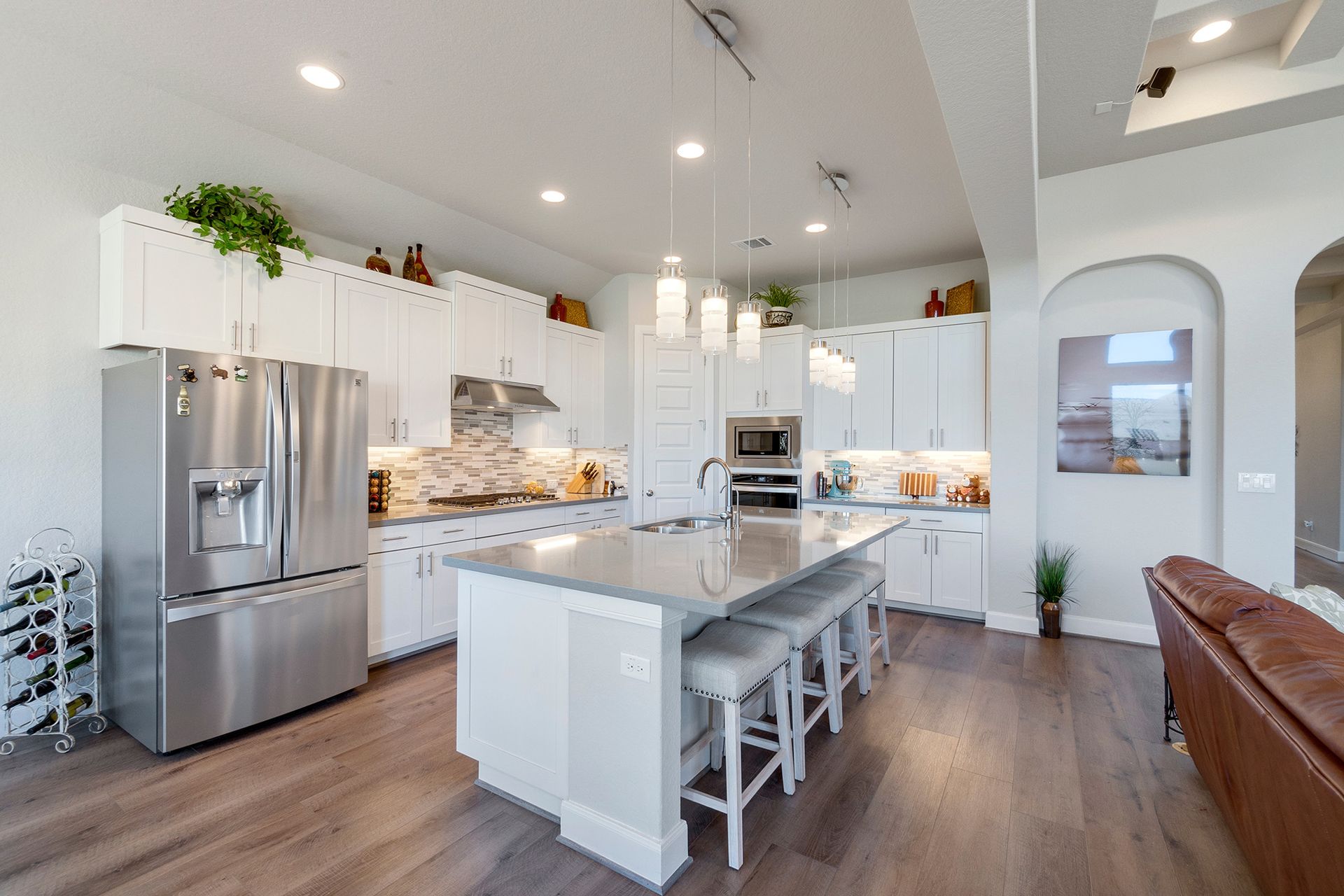
Beech Mountain rentals take a beating that lowland homes never see. Guests arrive in wet ski boots, dogs come in off muddy trails, and grit gets tracked across every entry from October through April. If you want flooring that still looks rentable after three hard seasons, you have to choose for abrasion, moisture, and quick turnover, not just looks. The good news is that the right material handles all three without constant repair. Below are the specs that matter, in plain terms, so you can spend once and stop patching. Why Rigid Core Vinyl Wins for Rentals For a high-traffic mountain rental, SPC (stone plastic composite) rigid core luxury vinyl is usually the strongest all-around choice. The dense mineral core resists dents from dropped gear, stays dimensionally stable when a cabin swings from freezing to heated, and shrugs off the snowmelt that destroys laminate. It also installs as a floating floor over most existing subfloors, which keeps turnover renovations short. The part most owners overlook is the wear layer. For a rental, do not go below a 20 mil wear layer, and 22 mil is better. That thickness is what stands between your floor and the sandpaper effect of boot grit. Builder-grade 6 to 12 mil planks look identical in the box but wear through at traffic lanes within a season or two. Finishes and Colors That Hide Hard Use Matte and low-sheen finishes are your friend in a rental. Glossy floors telegraph every scratch, paw print, and water spot under the cabin lights, while a matte surface with a light wire-brushed or embossed texture scatters that wear and hides daily grit. Mid-tone browns and warm greiges also disguise mud far better than dark espresso or pale gray, both of which show everything. Texture does double duty here. A subtle embossed grain adds slip resistance near entries and sinks, which matters when guests walk in with wet boots. Pair that with a large entry mat and a defined drop zone, and you cut the abrasion that does the most damage. Where Tile Beats Vinyl In mudrooms, ski-gear entries, and around exterior doors, porcelain tile outperforms everything. It will not scratch, it laughs off standing snowmelt, and a textured or matte porcelain rated for slip resistance gives sure footing in the exact spot where guests are most likely to slip. Run it through the entry, then transition to rigid core vinyl in the living spaces for warmth underfoot. A few materials to keep out of a rental entirely: Solid hardwood near entries, since it cups and gaps with moisture swings Standard laminate, which swells permanently once water reaches the core Wall-to-wall carpet in walkways, which traps mud and odor between guests Subfloor Prep You Cannot Skip Even the best plank fails over a bad subfloor. Rigid core vinyl needs a flat substrate, generally within 3/16 inch over 10 feet, or you get hollow spots, clicking, and seam separation under heavy use. Check for flatness and moisture before anything goes down, especially in lower-level or slab-on-grade cabins. If your cabin sits over a crawlspace or has seen past moisture issues, address that first. A quick moisture reading and the right underlayment now will save you a full replacement later, and it protects the warranty on the floor you just paid for. Choosing rental flooring is a numbers game, and we run those numbers every week for owners across Banner Elk, Franklin, and Lenoir, NC and Roanoke, and Bristol, VA and Johnson City, TN. Ultimate Kitchen and Design will match the right core, wear layer, and finish to how hard your property actually gets used, then handle the install around your booking calendar. Stop by Banner Elk, NC to walk on the exact products in person and compare wear layers side by side. When you are ready to spec your floors, contact us and we will build a plan that survives the season.
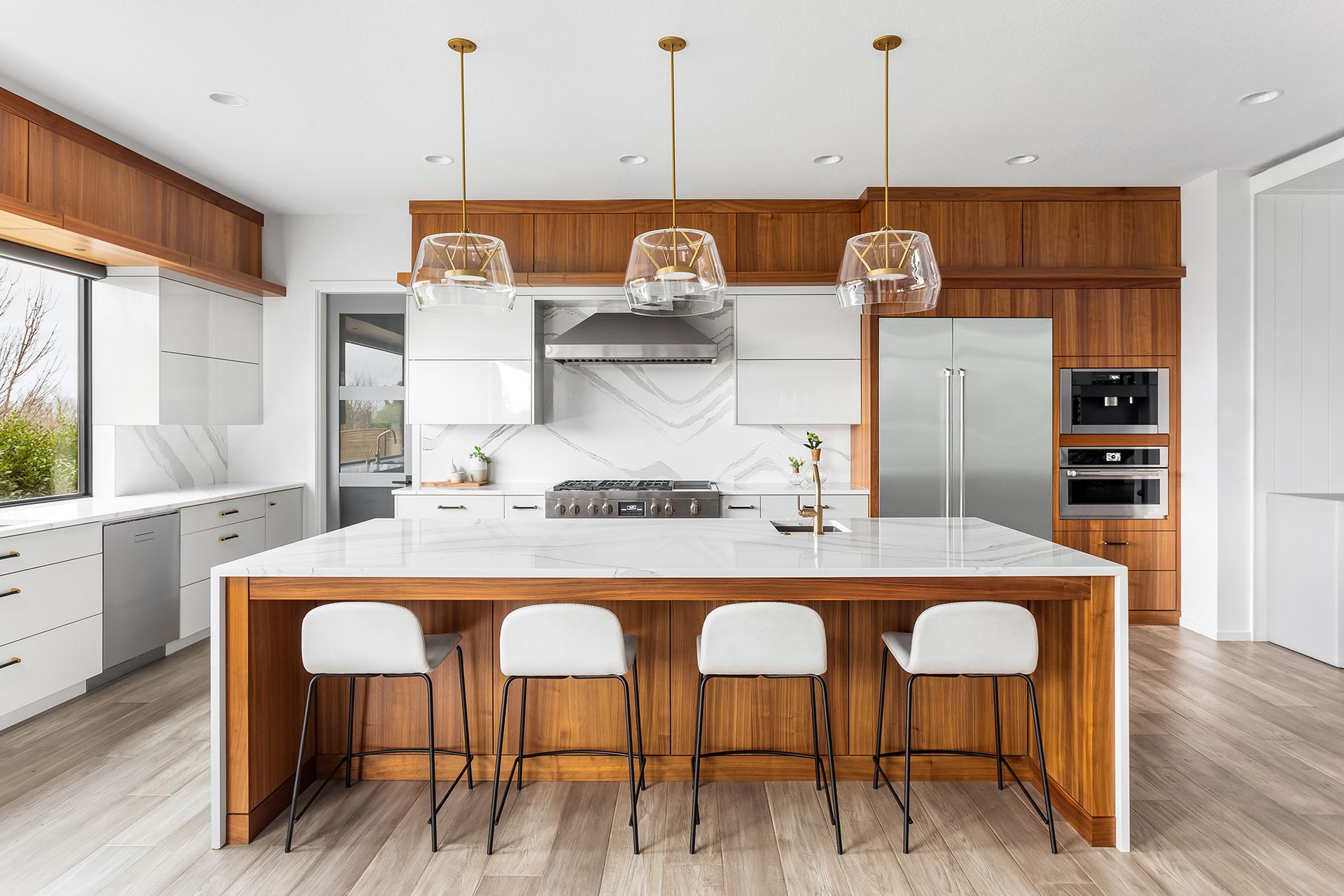
If you heat with a wood stove or run a fireplace most of the winter, your cabinets live in a tougher environment than you might think. Fine soot settles on every surface, creosote leaves a faint film, and the heat-and-humidity cycle works the finish year-round. That changes the painted-versus-stained decision in a real way. Both finishes can look beautiful in a cabin. The question is how each one ages once smoke, heat, and mountain humidity get involved, so here is the honest breakdown. How Painted Cabinets Hold Up to Soot Painted cabinets give you a clean, bright look, and a quality catalyzed or conversion varnish finish wipes down easily, which helps when soot settles weekly. The catch is that light paint shows that film fastest. A white or off-white door near a wood stove can develop a faint yellow-gray cast over time, and warm air carrying soot accelerates it. There is also a movement issue. Paint sits as a hard film over the joints of a door, so when seasonal humidity swings expand and contract the wood, you can get fine hairline cracking at the rail-and-stile joints. It is cosmetic, not structural, but it shows more on paint than on stain. Why Stain Tends to Win in Smoky Cabins Stained wood, especially on an open-grained species like oak, hides soot and daily grime far better than paint. The grain and tone camouflage the film that would stand out on a flat painted surface, so the kitchen reads clean longer between deep cleans. For a cabin you actually heat with fire, that is a meaningful advantage. Stain also forgives touch-ups. A scuff or a worn edge on a stained door blends with a touch-up marker or a quick recoat, while a chip on paint usually needs a more careful color-matched repair. Over a decade of hard cabin use, that maintenance gap adds up. The Finish System Matters More Than the Color Whatever color you choose, the protective topcoat does the heavy lifting near heat and smoke. Ask for a catalyzed or conversion varnish rather than a basic lacquer. These cure to a harder, more chemical-resistant film that resists the yellowing and softening that heat and creosote can cause over time. Door construction matters too. In a high-humidity, high-swing cabin, a five-piece door with a floating center panel handles seasonal movement better than a slab, and it keeps joints from telegraphing stress through the finish. A Simple Way to Decide Choose stain if your kitchen sits close to a wood stove or open fireplace, you want low-maintenance aging, and you like a warm, rustic look that hides soot. Choose paint if your heat source is farther from the kitchen, you want a brighter modern feel, and you are willing to deep-clean light surfaces more often. Many cabin owners land on a hybrid: stained perimeter and base cabinets where soot collects most, with a painted island as a clean focal point away from the heat. It gets you both looks while keeping the smoke-prone zones easy to maintain. Cabinet finishes are easy to get wrong from a showroom photo and much easier to get right in person. Ultimate Kitchen and Design has guided cabin owners across Banner Elk, Franklin, and Lenoir, NC and Roanoke, and Bristol, VA and Johnson City, TN through exactly this decision, matching species, finish system, and door style to how each kitchen really gets used. Come see painted and stained door samples under realistic lighting at Banner Elk, NC . When you are ready to plan your cabinetry, contact us and we will spec a finish built to age well in your home.
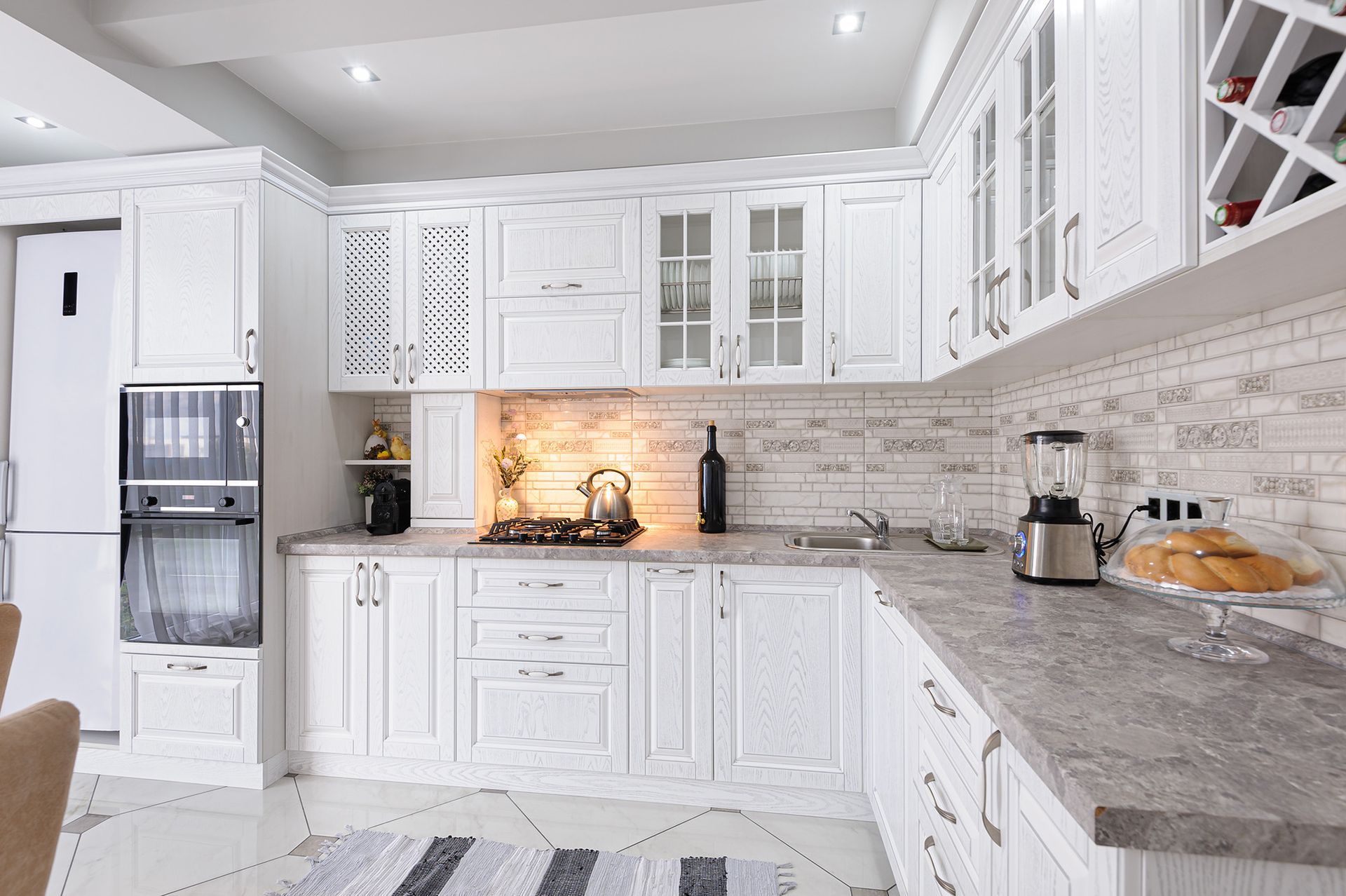
Mountain kitchens are often short on square footage, especially in cabins and A-frames where the living space gets the views and the kitchen gets what is left. That makes vertical storage tempting, and floor-to-ceiling pantry cabinets promise to turn an unused wall into serious capacity. The question is whether they earn their cost and footprint in a small room. In most compact mountain kitchens the answer is yes, with a few important caveats about ceiling shape and clearance. Here is how to judge it for your space. The Storage Math Usually Favors Tall Cabinets A floor-to-ceiling pantry, typically 84 to 96 inches tall, captures the vertical space that base-and-wall layouts waste. In a tight kitchen, one or two tall units can hold what would otherwise demand a separate pantry closet you do not have room for, which is exactly the problem most cabins face. Fitted out with full-extension pull-out shelves, you also get to the back of every shelf without digging. That converts deep, awkward storage into usable, see-everything space, which matters far more in a small kitchen where every cabinet has to work hard. Where the Footprint and Ceiling Fight Back The caveat in mountain homes is the ceiling. A-frames and cabins with sloped or vaulted ceilings cannot always take a full 96-inch run of cabinetry along an angled wall, so tall pantries usually belong on a full-height interior wall instead. Measure the true vertical clearance before you commit to a layout. Clearance in front matters too. A tall pantry with a swinging door needs floor space to open, and in a narrow galley that can crowd the walk path. Where space is tight, pull-out larder units or doors with reduced swing keep the storage without choking the room. Smart Configurations for Small Kitchens You do not have to choose between storage and a kitchen that feels open. A few configurations carry their weight in compact mountain footprints: A single tall pantry with interior pull-outs to replace a missing closet An appliance garage or beverage zone inside a tall cabinet to clear the counters A toe-kick drawer at the base to reclaim otherwise dead space Each of these adds capacity on the vertical plane, which is the space a small kitchen has the most of and uses the least. Cost Versus the Alternative Tall cabinets cost more per unit than a base cabinet, since they use more material and hardware. Compared with building out a separate pantry closet, though, they are often the cheaper and faster path, and they keep all your storage inside the kitchen work zone instead of down a hall. For a cabin or rental where every trip to the kitchen counts, that consolidation is the real payoff. You spend a bit more on the cabinetry and save the floor space and framing a closet would have eaten. The right answer depends on your ceilings, your walk paths, and how you actually cook, and that is exactly what we map out before drawing a single cabinet. Ultimate Kitchen and Design designs storage-smart kitchens for compact homes across Banner Elk, Franklin, and Lenoir, NC and Roanoke, and Bristol, VA and Johnson City, TN, including the sloped-ceiling layouts that trip up stock plans. Come see tall pantry configurations and pull-out hardware in person at Banner Elk, NC . When you are ready to make your small kitchen work harder, contact us and we will design it around your space.

